
You train consistently. You increase your effort, follow a structured workout routine, and try to eat enough protein. Yet the numbers on your favorite lifts barely seem to move.
If you’re not getting stronger in the gym, it can be incredibly frustrating.
Strength plateaus are common among both beginners and experienced lifters. While beginners often make rapid progress during their first months of training, improvements naturally become slower as the body adapts. At the same time, inadequate recovery, insufficient calories, poor programming, inconsistent training, and nutritional deficiencies can all prevent you from reaching your potential.
This is why many strength-focused athletes look for additional support.
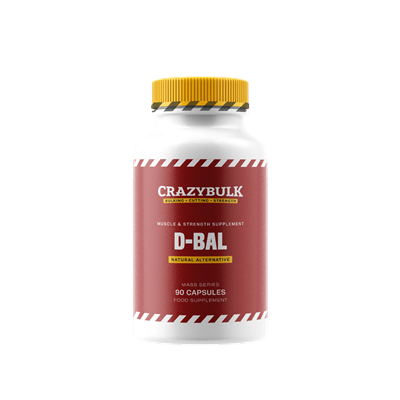
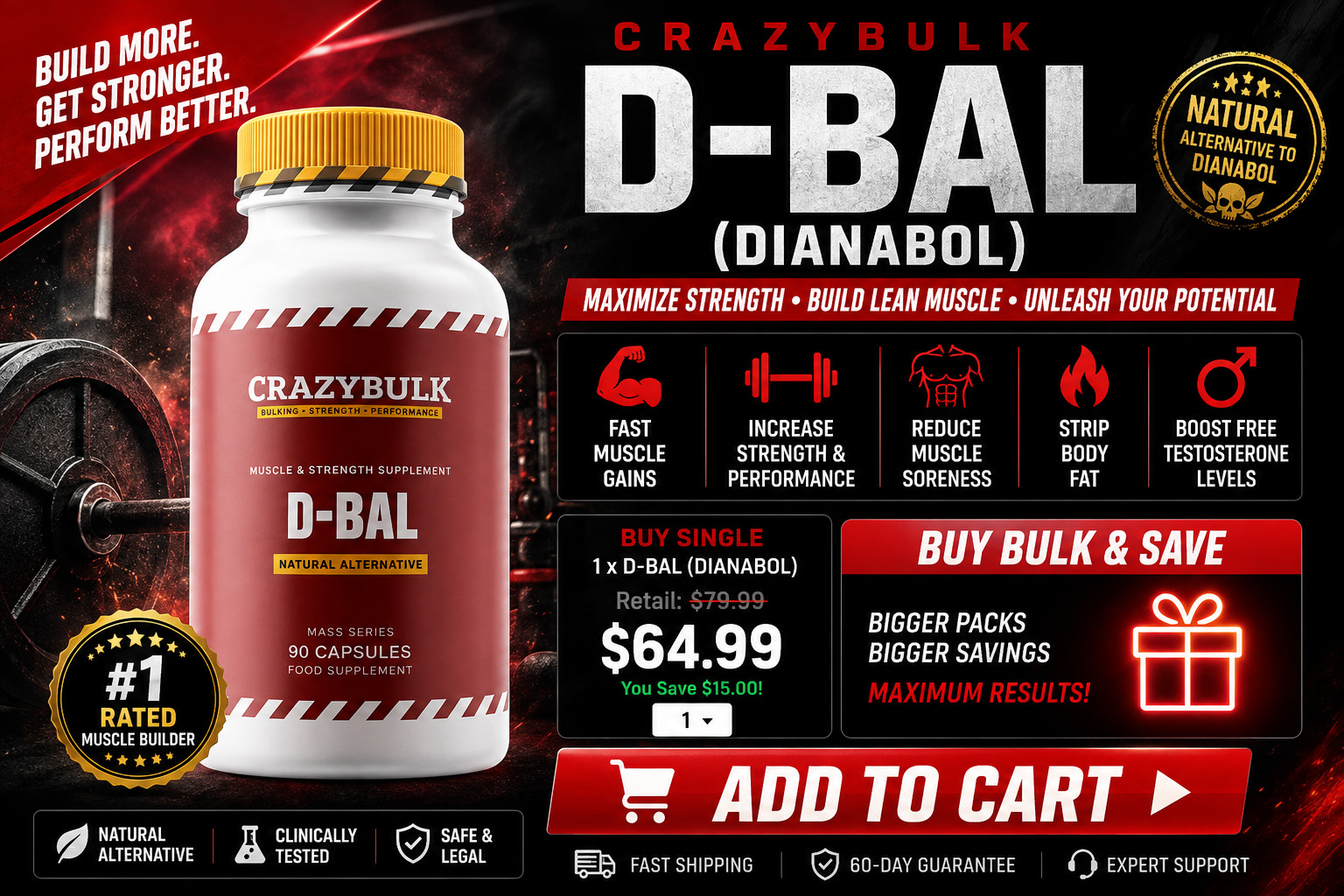
CrazyBulk D-Bal is a dietary supplement marketed as a natural alternative to Dianabol, an anabolic steroid. It is designed to support muscle growth, strength, workout performance, and recovery through a combination of nutritional and botanical ingredients.
But can D-Bal actually help if you’re not getting stronger?
The answer requires realistic expectations. A supplement cannot replace progressive resistance training, adequate nutrition, or recovery. However, a product formulated to support training performance and muscle-building processes may complement a well-designed strength program.
This comprehensive guide examines why strength plateaus happen, how D-Bal is intended to work, its ingredients, potential benefits, and practical strategies for getting stronger in the gym.
Table of Contents
Why You’re Not Getting Stronger in the Gym
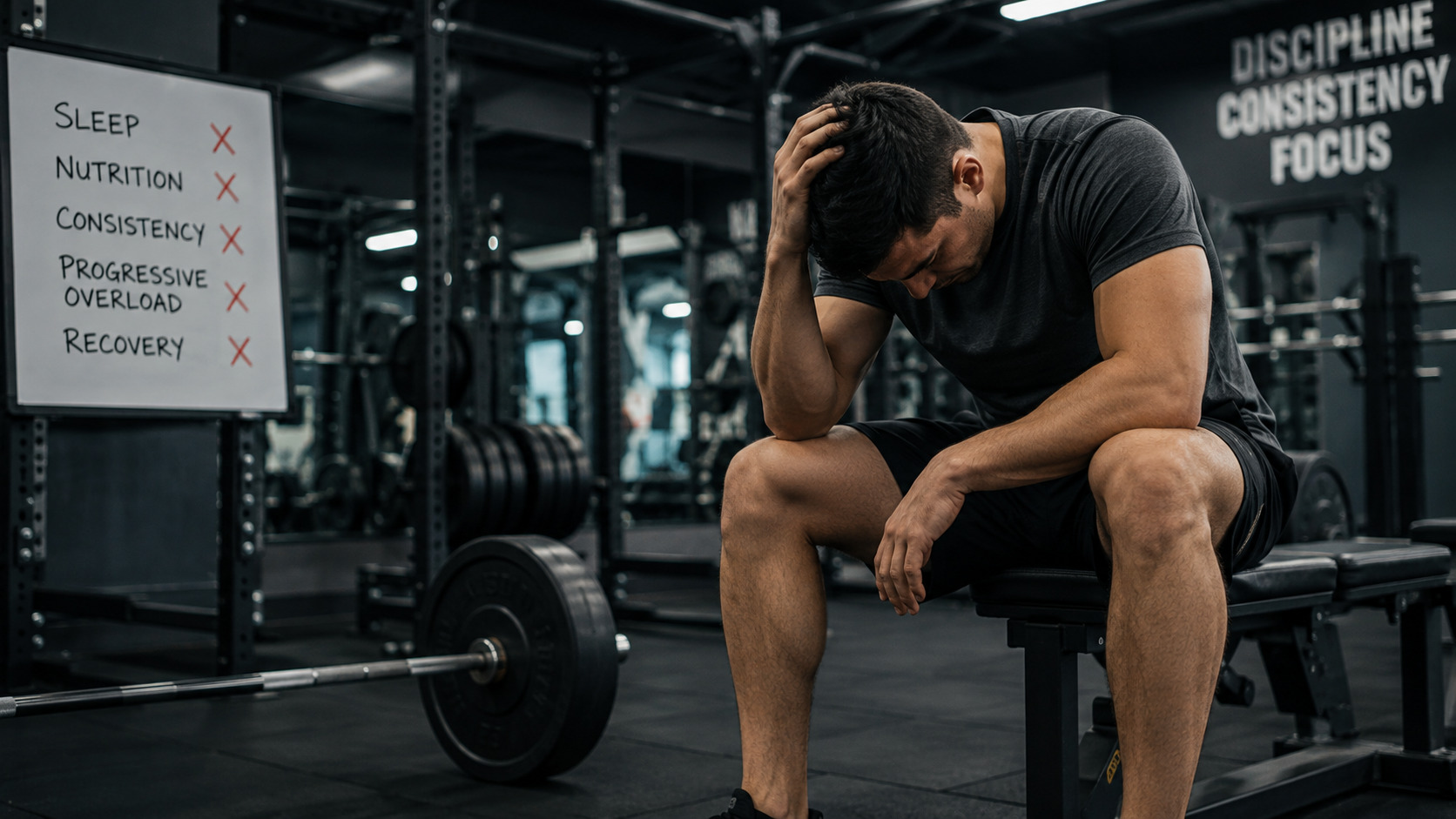
Before adding a supplement, it’s worth identifying what’s actually causing your plateau.
Several factors can prevent continued strength gains.
1. You’re Not Using Progressive Overload
Strength improves when you progressively challenge your muscles and nervous system.
If you use the same:
- Weight
- Repetitions
- Sets
- Training intensity
for months, your body may have little reason to continue adapting.
Progressive overload can involve gradually increasing weight, repetitions, volume, or training difficulty.
2. You’re Not Eating Enough
Strength training requires energy.
If you’re consistently eating too few calories, you may experience:
- Reduced workout performance
- Poor recovery
- Low energy
- Difficulty building muscle
This can be particularly problematic when trying to gain strength and size simultaneously.
3. You’re Not Getting Enough Protein
Protein provides the amino acids needed for muscle repair and growth.
A diet lacking sufficient protein can make it more difficult to recover from demanding workouts.
Good sources include:
- Chicken
- Turkey
- Fish
- Eggs
- Greek yogurt
- Cottage cheese
- Lean beef
- Beans
- Lentils
4. You’re Ignoring Recovery
Training provides the stimulus for adaptation, but recovery allows your body to respond.
Poor recovery may result from:
- Insufficient sleep
- Excessive training
- Too little rest
- Chronic stress
If you’re constantly exhausted, your performance may decline instead of improving.
5. Your Program Doesn’t Match Your Goal
Training for maximal strength is different from training primarily for muscle endurance.
If strength is your priority, your program should include appropriate amounts of:
- Heavy compound lifts
- Moderate repetition ranges
- Rest periods
- Progressive overload
What Is CrazyBulk D-Bal?
CrazyBulk D-Bal is a dietary supplement designed for men seeking support for muscle growth and strength.
It is marketed as a natural alternative to Dianabol, also known as methandrostenolone.
However, D-Bal is not Dianabol and does not contain methandrostenolone.
Instead, D-Bal uses a combination of ingredients intended to support:
- Muscle growth
- Strength
- Workout performance
- Recovery
- Nutritional support
This distinction is important because anabolic steroids and dietary supplements are not equivalent.
How D-Bal May Support Strength Goals
1. Supporting Muscle Growth
One reason you’re not getting stronger may be that you’re struggling to build or maintain sufficient muscle mass.
More muscle does not automatically guarantee greater strength, but increasing muscle size can provide a foundation for improved strength potential.
D-Bal is formulated to complement resistance training and nutritional strategies designed to support muscle development.
2. Supporting Training Performance
Strength gains require repeated exposure to challenging workouts.
D-Bal is marketed to support:
- Energy
- Workout performance
- Training intensity
Maintaining consistent performance can help you continue applying progressive overload.
3. Supporting Recovery
Recovery becomes increasingly important as training intensity increases.
D-Bal’s formula is intended to support nutritional recovery alongside a balanced diet.
Better recovery can make it easier to maintain consistent training.
4. Supporting Protein Intake
Some formulations of D-Bal include ingredients designed to complement muscle-building nutrition.
Protein and amino acids are essential for muscle repair and growth.
However, supplementation should not be viewed as a replacement for consuming adequate dietary protein.
D-Bal Ingredients Breakdown
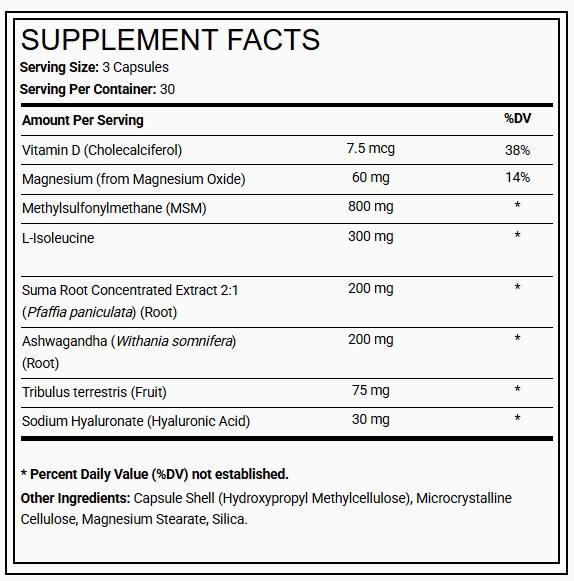
The current D-Bal formula contains a combination of vitamins, minerals, amino acids, botanical extracts, and compounds intended to support overall performance, recovery, and men’s wellness.
one serving consists of 3 capsules and contains:
| Ingredient | Amount Per Serving |
|---|---|
| Vitamin D (Cholecalciferol) | 7.5 mcg |
| Magnesium (from Magnesium Oxide) | 60 mg |
| Methylsulfonylmethane (MSM) | 800 mg |
| L-Isoleucine | 300 mg |
| Suma Root Concentrated Extract 2:1 | 200 mg |
| Ashwagandha Root | 200 mg |
| Tribulus terrestris Fruit | 75 mg |
| Sodium Hyaluronate (Hyaluronic Acid) | 30 mg |
Let’s take a closer look at what each ingredient contributes to the formula.
Vitamin D
Each three-capsule serving provides 7.5 mcg of vitamin D (cholecalciferol), equivalent to 38% of the Daily Value listed on the label.
Vitamin D plays an important role in normal:
- Muscle function
- Bone health
- Immune function
- Calcium absorption
- Overall physiological health
For people following demanding strength-training programs, maintaining adequate vitamin D status is particularly important because muscle function and skeletal health are fundamental to physical performance.
However, vitamin D supplementation is most useful when it helps address inadequate intake or low vitamin D status. More is not necessarily better.
Magnesium
D-Bal provides 60 mg of magnesium from magnesium oxide per serving.
Magnesium is an essential mineral involved in hundreds of biochemical reactions throughout the body. It contributes to:
- Normal muscle function
- Normal energy metabolism
- Electrolyte balance
- Protein synthesis
- Normal nervous-system function
For athletes and active individuals, adequate magnesium intake can be especially important because muscles and energy metabolism depend on this mineral.
The form used in D-Bal is magnesium oxide, which is a commonly used supplemental form.
Methylsulfonylmethane (MSM)
The formula provides 800 mg of methylsulfonylmethane (MSM) per serving.
MSM is an organosulfur compound commonly found in supplements designed to support joint and exercise-related wellness.
Its inclusion in D-Bal may be particularly relevant for people performing regular resistance training because intense workouts place repeated demands on muscles and joints.
MSM is commonly associated with support for:
- Joint comfort
- Exercise recovery
- Physical mobility
- Connective-tissue wellness
This ingredient isn’t a direct muscle-building compound, but supporting comfortable movement and recovery can help people remain consistent with their training.
L-Isoleucine
Each serving contains 300 mg of L-isoleucine, one of the three branched-chain amino acids (BCAAs).
Isoleucine is an essential amino acid, meaning the body cannot produce it on its own and must obtain it from food or supplementation.
It contributes to:
- Protein metabolism
- Muscle tissue maintenance
- Energy metabolism
- Exercise recovery
Isoleucine works alongside the other essential amino acids involved in muscle protein synthesis.
However, it’s important to note that 300 mg is a relatively small amount compared with the doses of BCAAs commonly used in standalone sports-nutrition products. Therefore, D-Bal should not be considered a replacement for a complete dietary protein source.
Suma Root Concentrated Extract 2:1
D-Bal contains 200 mg of Suma root extract, standardized as a 2:1 concentrate.
Suma root, botanically identified on the label as Pfaffia paniculata, is a plant traditionally used in South American herbal practices.
It is sometimes referred to as Brazilian ginseng, although it is botanically different from true Panax ginseng.
Suma is traditionally associated with:
- Vitality
- Physical endurance
- General wellness
- Adaptogenic support
Its inclusion gives D-Bal a botanical component intended to complement the nutritional ingredients in the formula.
Ashwagandha Root
The formula contains 200 mg of Ashwagandha (Withania somnifera) root.
Ashwagandha is an adaptogenic herb that has attracted significant interest in sports and men’s wellness research.
It is commonly used to support:
- Stress management
- Recovery
- Exercise performance
- Strength-related goals
- General well-being
Stress and recovery are important considerations for anyone pursuing strength gains. Consistently high stress and inadequate recovery can make it more difficult to maintain productive training.
Ashwagandha therefore serves a different role from ingredients such as L-isoleucine or magnesium—it is primarily a botanical component of the overall formula rather than a direct source of muscle-building nutrients.
Tribulus Terrestris
D-Bal provides 75 mg of Tribulus terrestris fruit extract per serving.
Tribulus terrestris is a plant frequently included in men’s performance and testosterone-support supplements.
It has traditionally been marketed for:
- Male vitality
- Physical performance
- Libido support
- Strength-related goals
However, evidence that Tribulus directly increases testosterone or produces substantial muscle-building effects in healthy men is limited. Its presence in D-Bal should therefore be viewed as part of the supplement’s broader botanical-support formula rather than as a guaranteed testosterone booster.
Sodium Hyaluronate (Hyaluronic Acid)
The formula contains 30 mg of sodium hyaluronate, a salt form of hyaluronic acid.
Hyaluronic acid is naturally present in connective tissues throughout the body and is particularly associated with joint and tissue hydration.
For active individuals, this ingredient may provide complementary support for:
- Joint comfort
- Mobility
- Connective-tissue health
It doesn’t directly increase muscle mass or strength, but maintaining comfortable movement can be valuable for people who regularly perform resistance training.
How the D-Bal Formula Works Together
One of the interesting aspects of the current D-Bal formula is that it doesn’t rely on a single ingredient to support strength goals.
Instead, it combines several categories of nutritional support:
Muscle and protein support: L-isoleucine
Mineral support: Magnesium and vitamin D
Botanical support: Suma root, Ashwagandha, and Tribulus terrestris
Exercise and joint support: MSM and sodium hyaluronate
This makes D-Bal better understood as a multi-ingredient nutritional supplement designed to complement resistance training, rather than as a direct substitute for anabolic steroids or a standalone source of muscle-building nutrients.
Key D-Bal Benefits for Strength Training
Greater Training Support
One of the primary reasons lifters consider D-Bal is its focus on supporting training performance and muscle-building nutrition.
Strength Development
Ingredients such as creatine have substantial evidence supporting their role in strength and high-intensity exercise performance.
Muscle Growth Support
Adequate protein, resistance training, and sufficient energy intake are fundamental for building muscle.
D-Bal may complement these foundations.
Recovery Support
A comprehensive nutritional approach may help support recovery between demanding training sessions.
Workout Consistency
The best strength program is one you can consistently follow.
Supporting energy and recovery may help maintain regular training.
How to Use D-Bal as Part of a Strength Program
A supplement should fit into your existing training strategy.
Follow a Structured Strength Program
Consider organizing your training around major compound movements such as:
- Squats
- Bench presses
- Deadlifts
- Overhead presses
- Rows
- Pull-ups
Choose appropriate volume and intensity based on your experience level.
Track Your Lifts
If you’re not getting stronger, you need objective data.
Track:
- Weight
- Sets
- Repetitions
- Rest periods
- Training frequency
A training log can reveal whether you’re actually progressing.
Eat Enough Calories
If strength and muscle growth are priorities, consistently undereating can work against your goals.
A modest calorie surplus may be appropriate for some individuals seeking muscle gain.
Get Enough Protein
Spread protein intake across meals and prioritize high-quality sources.
Prioritize Sleep
Aim for approximately 7–9 hours of sleep each night.
Poor sleep can negatively affect:
- Recovery
- Training performance
- Motivation
- Overall well-being
What to Do If You’re Still Not Getting Stronger
Before changing everything at once, review your program.
Step 1: Check Your Calories
Are you eating enough to support your training?
Step 2: Review Protein Intake
Are you consistently consuming enough protein?
Step 3: Analyze Your Training
Are you actually applying progressive overload?
Step 4: Evaluate Recovery
Are you sleeping enough and taking appropriate rest days?
Step 5: Reduce Unnecessary Exercise
Too much training volume can interfere with recovery.
Step 6: Consider a Deload
A temporary reduction in training volume or intensity can help you recover from accumulated fatigue.
Step 7: Review Your Expectations
Strength progress isn’t always linear.
Some weeks may produce dramatic improvements, while others may involve maintaining your current performance.
D-Bal vs Dianabol
The names can cause confusion, so the distinction deserves emphasis.
| Feature | CrazyBulk D-Bal | Dianabol |
|---|---|---|
| Category | Dietary supplement | Anabolic steroid |
| Methandrostenolone | No | Yes |
| Intended purpose | Nutritional and training support | Pharmacological anabolic effects |
| Legal status | Sold as a dietary supplement where permitted | Controlled/regulated in many jurisdictions |
| Equivalent products? | No | No |
D-Bal should not be considered equivalent to anabolic steroids.
Safety and Important Considerations
Although D-Bal is marketed as a dietary supplement, users should still review the current ingredient label and follow the manufacturer’s directions.
Before using any muscle-building supplement, consider:
- Your existing diet
- Current supplements
- Prescription medications
- Medical conditions
- Stimulant intake
- Individual allergies
Creatine and protein are generally well-established sports nutrition ingredients, but individual circumstances matter.
If you have an underlying medical condition or take medication regularly, consult a healthcare professional before starting a new supplement.
CrazyBulk D-Bal Real User Feedback
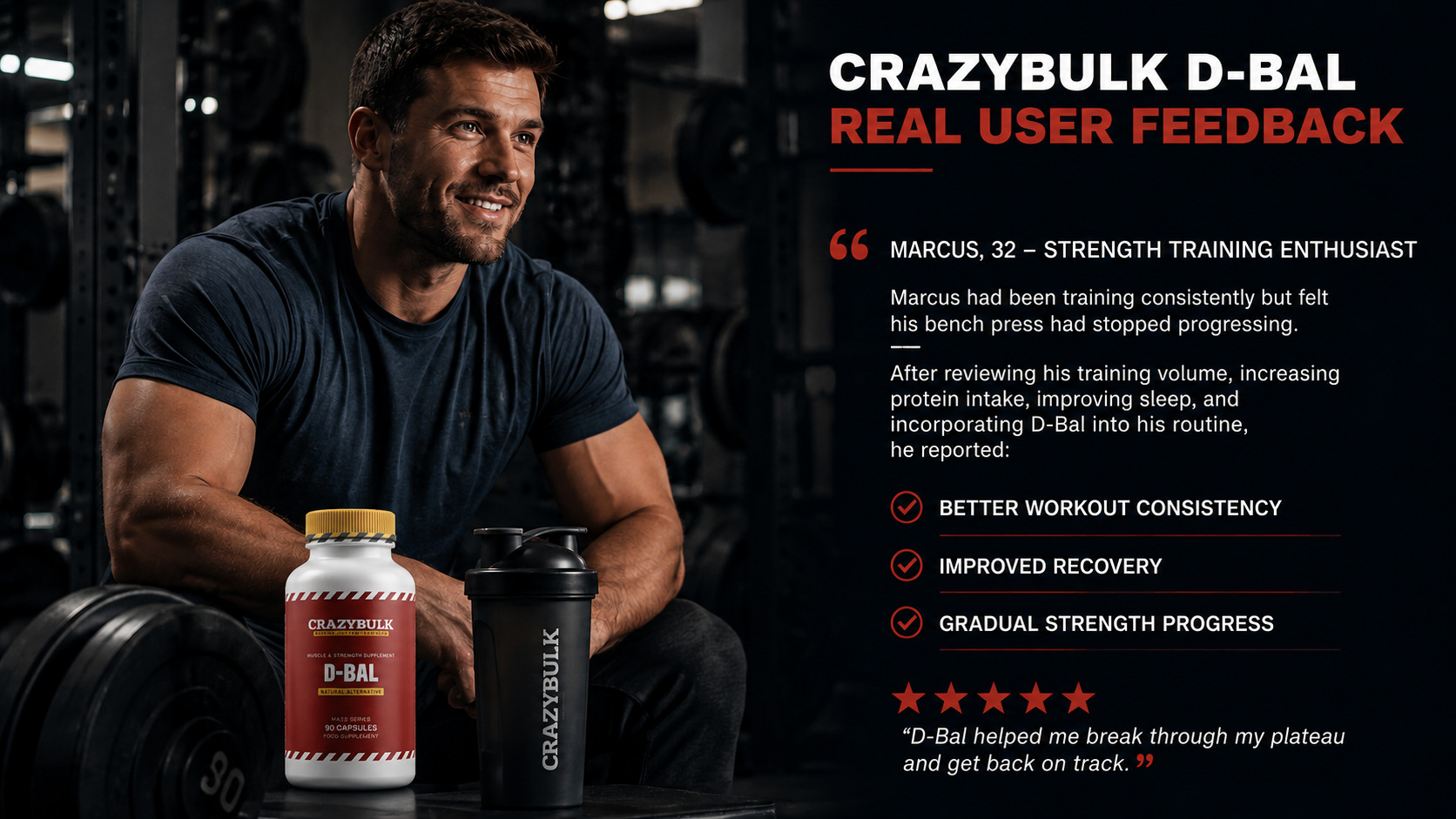
Marcus, 32 – Strength Training Enthusiast
Marcus had been training consistently but felt his bench press had stopped progressing.
After reviewing his training volume, increasing protein intake, improving sleep, and incorporating D-Bal into his routine, he reported:
- Better workout consistency
- Improved recovery
- Gradual strength progress
Daniel, 38 – Recreational Powerlifter
Daniel struggled with a plateau in several compound lifts.
He focused on progressive overload and recovery while using D-Bal as part of his broader nutrition strategy.
He reported feeling more prepared for demanding training sessions.
Ryan, 27 – Gym Enthusiast
Ryan had been frustrated by slow muscle development.
After improving his calorie intake, protein consumption, and training structure, he incorporated D-Bal and reported better consistency and gradual improvements in his gym performance.
Individual experiences vary, and testimonials should not be interpreted as guaranteed results.
Who May Consider D-Bal?
D-Bal may appeal to men who:
- Want to support muscle-building goals
- Are focused on increasing strength
- Follow a structured resistance-training program
- Want additional nutritional support
- Are struggling with slow progress in the gym
It is most useful when viewed as part of a broader strategy rather than a standalone solution.
FAQs – D-Bal Helps You Getting Stronger
Why am I not getting stronger in the gym?
Common reasons include inadequate progressive overload, insufficient calories or protein, poor recovery, inadequate sleep, and an ineffective training program.
Can D-Bal help me get stronger?
D-Bal is designed to support muscle growth, strength, and workout performance. Individual results vary, and strength gains still depend primarily on training, nutrition, and recovery.
Is D-Bal the same as Dianabol?
No. D-Bal is a dietary supplement and does not contain Dianabol or methandrostenolone.
Does D-Bal contain creatine?
The formulation should be checked against the current product label because supplement formulas can change.
Is creatine good for strength?
Yes. Creatine monohydrate is one of the most extensively researched supplements for improving strength and high-intensity exercise performance.
How much protein do I need to build muscle?
Protein requirements vary according to body weight, training status, age, and goals. Individuals who train regularly generally require more protein than sedentary adults.
Can lack of sleep stop strength gains?
Poor sleep can negatively affect recovery and exercise performance, potentially making progress more difficult.
Should I train heavier if I’m not getting stronger?
Increasing weight can be part of progressive overload, but progression can also involve additional repetitions, sets, improved technique, or increased training density.
Can I build strength without gaining much muscle?
Yes. Strength is influenced by both muscle size and neurological adaptations. Beginners can often become significantly stronger without dramatic changes in muscle size.
How long does it take to see strength gains?
Progress varies. Beginners often improve quickly, while experienced lifters typically experience slower and more gradual increases.
Should I take a rest day?
Recovery days can be important for managing fatigue and allowing adaptation, particularly when training intensely.
Are supplements necessary for strength gains?
No. Supplements are optional. Proper training, nutrition, sleep, and recovery are the foundation of strength development.
Final Verdict
If you’re not getting stronger despite putting in consistent effort, the first step isn’t necessarily finding a stronger supplement. Start by evaluating your training program, calorie intake, protein consumption, sleep, recovery, and progression strategy.
CrazyBulk D-Bal is formulated as a dietary supplement intended to support muscle growth, strength, workout performance, and recovery. Its ingredients—including sports-nutrition staples such as protein and creatine, depending on the current formulation—may complement a well-structured strength program.
However, D-Bal isn’t Dianabol, and it shouldn’t be expected to replicate the effects of anabolic steroids. The most reliable path toward getting stronger remains progressive resistance training, adequate nutrition, sufficient recovery, and patience.
Final Thought
Strength development is a long-term process. If you’ve reached a plateau, use it as an opportunity to examine your fundamentals rather than assuming your body can no longer improve. Build a smarter training program, fuel your workouts properly, prioritize recovery, and use supplementation strategically.
With the right combination of training and nutrition, being not getting stronger today doesn’t mean you have to remain stuck tomorrow.

Zahra Thunzira is a Jakarta-based nutritionist and gym instructor. She’s also an adventure travel, fitness, and health writer for several blogs and websites. She earned her Master degree in Public Health from University of Indonesia.

