Feeling tired after a long day is normal. But when waking up tired becomes routine, workouts feel harder than they used to, and even ordinary responsibilities seem to require more effort, it may be time to look more closely at what’s happening.
Low Energy in Men can have many causes. Poor sleep, inadequate nutrition, stress, inactivity, excessive exercise, alcohol, medications, and underlying health conditions can all contribute to persistent fatigue. Low testosterone is another possible factor, particularly when low energy occurs alongside symptoms such as reduced sex drive, loss of muscle mass, or changes in mood and concentration.
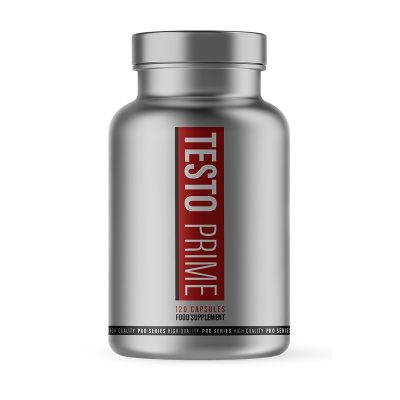
This is where testosterone-support supplements such as TestoPrime attract attention.
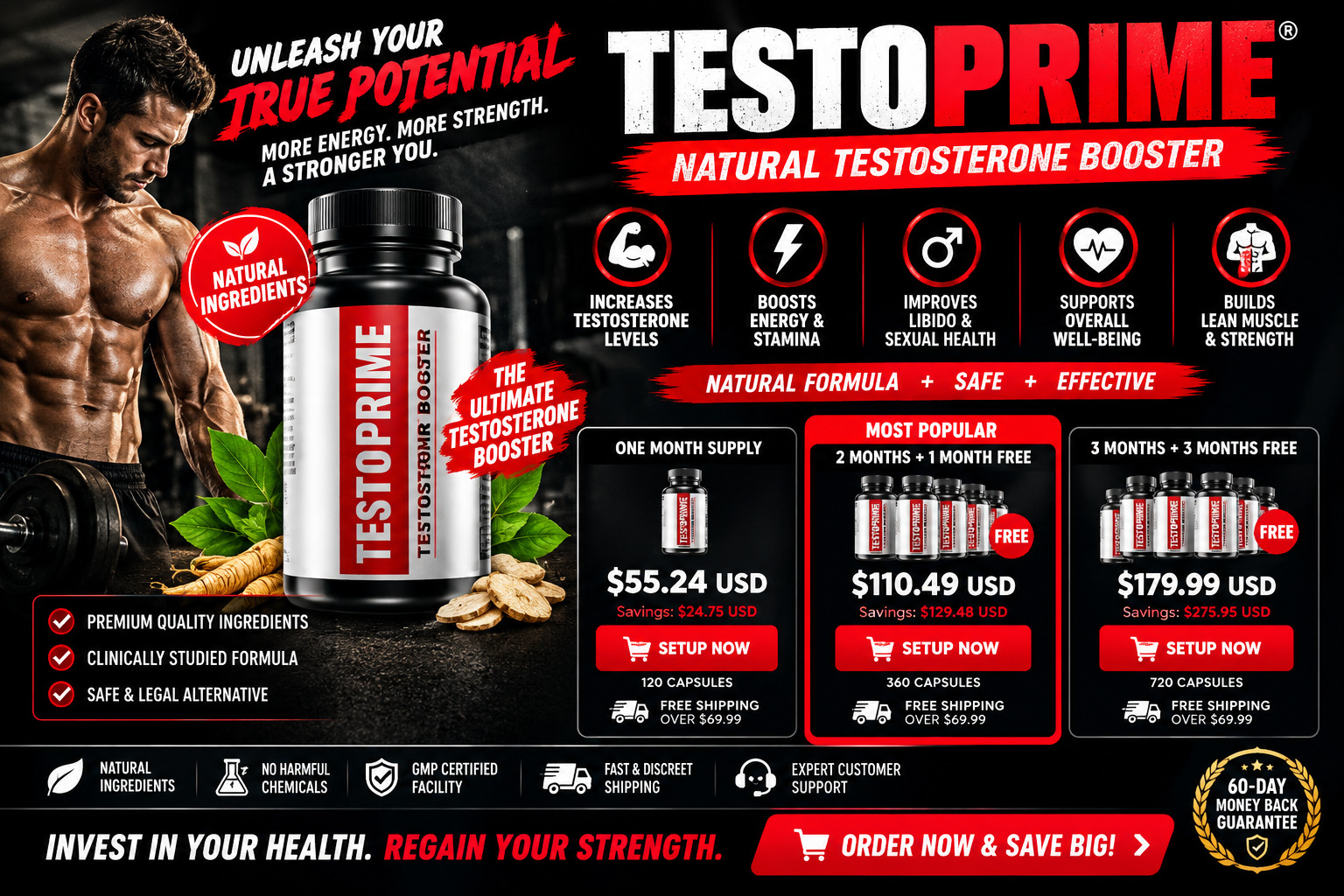
TestoPrime is marketed as a natural testosterone-support formula containing ingredients such as D-aspartic acid, Panax ginseng, KSM-66 ashwagandha, fenugreek, green tea extract, zinc, and vitamins. The manufacturer positions the product around energy, vitality, physical performance, focus, and healthy testosterone support.
But can TestoPrime actually help with low energy? And how can you tell whether tiredness is simply lifestyle-related or something that deserves medical attention?
Let’s take a closer look.
Table of Contents
What Does Low Energy in Men Mean?
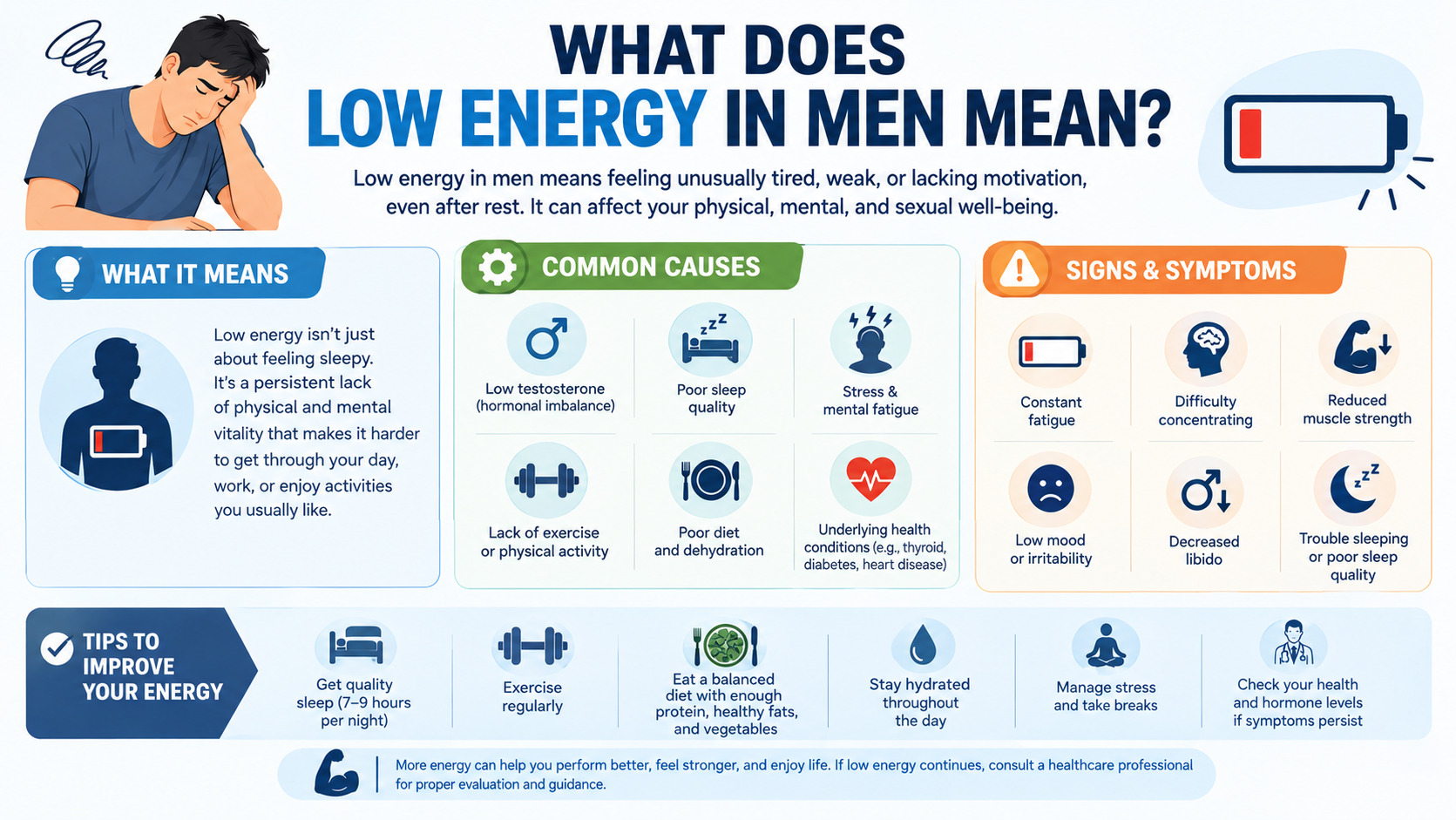
Low Energy in Men isn’t a specific medical diagnosis.
It’s a description of how a man feels when his usual physical or mental energy seems reduced.
You might notice:
- Feeling tired despite getting some sleep
- Difficulty getting motivated in the morning
- Reduced workout performance
- Less enthusiasm for everyday activities
- Trouble concentrating
- Feeling mentally drained
- Needing more caffeine to get through the day
- Reduced stamina
- Feeling unusually sluggish
- Wanting to rest more often
Mayo Clinic describes fatigue as reduced energy, reduced ability to perform activities, and difficulty focusing. Persistent fatigue can have numerous causes ranging from lifestyle factors to medical conditions.
This is important because low energy shouldn’t automatically be blamed on testosterone.
Is Low Energy Always Caused by Low Testosterone?
No.
This is one of the most important distinctions to make.
Low testosterone can be associated with reduced energy, but fatigue by itself doesn’t establish testosterone deficiency.
Mayo Clinic lists poor sleep, lack of exercise, poor diet, excessive physical activity, alcohol or drug use, medications, stress, obesity, sleep apnea, and several medical conditions among possible contributors to fatigue.
Likewise, the Endocrine Society emphasizes that symptoms alone aren’t enough to diagnose hypogonadism. Diagnosis requires compatible symptoms together with consistently low testosterone measurements.
So if you’re experiencing Low Energy in Men, it’s worth asking a broader question:
What’s causing the low energy?
That question is more useful than simply asking how to increase testosterone.
How Low Testosterone Can Affect Energy
Testosterone plays several important roles in men’s health.
When testosterone is genuinely low, men may experience symptoms including:
- Reduced energy
- Lower sex drive
- Erectile difficulties
- Reduced muscle mass
- Reduced strength
- Fertility problems
- Difficulty concentrating
- Changes in mood
The Endocrine Society lists reduced energy, reduced muscle mass, lower libido, erectile dysfunction, and reduced fertility among possible symptoms of male hypogonadism.
Mayo Clinic similarly identifies reduced energy, lower sex drive, depression, muscle loss, and fertility problems among potential symptoms of male hypogonadism.
However, these symptoms can overlap with many other health problems.
That’s why testing matters.
What Is TestoPrime?
TestoPrime is a dietary supplement marketed for men’s testosterone and vitality support.
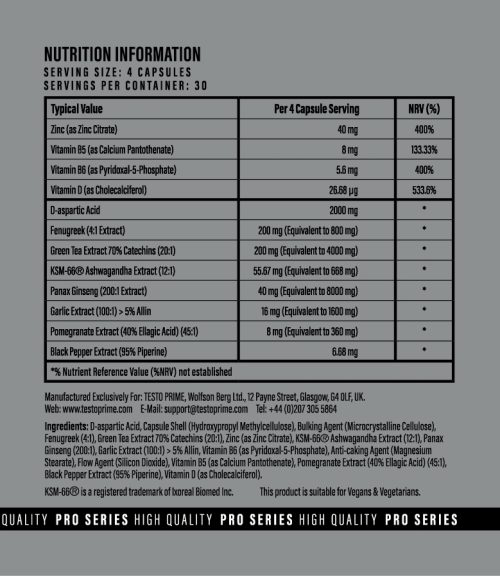
The current formula is built around 12 ingredients, with the manufacturer highlighting four primary components:
- D-aspartic acid
- KSM-66 ashwagandha
- Fenugreek
- Vitamin D3 and zinc
The current TestoPrime product information lists D-aspartic acid at 2,000 mg, KSM-66 ashwagandha at 668 mg, fenugreek 4:1 extract at 800 mg, and vitamin D3 and zinc among the formula’s highlighted nutrients.
The manufacturer also highlights Panax ginseng, green tea extract, and other nutritional ingredients as part of the broader formula.
The product is intended to be a daily supplement rather than a prescription testosterone medication.
How Could TestoPrime Support Male Energy?
TestoPrime approaches energy indirectly.
Rather than functioning like a stimulant or providing a short-lived caffeine-style energy spike, its formula is designed around ingredients associated with testosterone pathways, stress management, vitality, and nutritional support.
D-Aspartic Acid
D-aspartic acid is an amino acid involved in reproductive hormone signaling.
TestoPrime positions it as one of its primary ingredients because of its relationship with luteinizing hormone and testosterone production.
This makes it particularly relevant to a testosterone-support formula.
However, research on D-aspartic acid has produced mixed findings depending on the population, dose, and study design. It shouldn’t be assumed that taking D-aspartic acid will automatically raise testosterone in every man.
KSM-66 Ashwagandha
Ashwagandha is an adaptogenic herb that has attracted research interest for stress, exercise performance, and aspects of hormonal health.
TestoPrime uses KSM-66, a standardized ashwagandha extract, and the manufacturer positions it as an ingredient that supports testosterone and stress management.
This is potentially relevant to Low Energy in Men because chronic stress can contribute to fatigue and poor recovery.
Again, however, supplement research should not be interpreted as proof that TestoPrime will correct clinically low testosterone.
Fenugreek
Fenugreek is another prominent ingredient in the formula.
TestoPrime describes it as supporting testosterone, libido, energy, and stamina.
Research has investigated fenugreek extracts in relation to men’s hormonal health and exercise performance, although results depend on the specific extract and dosage.
Panax Ginseng
Panax ginseng has a long history of use in traditional medicine.
TestoPrime includes it as an ingredient associated with energy, vitality, and sexual health.
For men experiencing low energy, its role in the formula is particularly interesting because the manufacturer specifically positions it around vitality and fatigue support.
Vitamin D3
Vitamin D is an essential nutrient with roles throughout the body.
TestoPrime includes vitamin D3 as part of its nutritional foundation.
It’s important to remember that vitamin D supplementation makes the most sense when intake is inadequate or deficiency is present. Taking more isn’t necessarily better.
Zinc
Zinc is an essential mineral involved in many biological processes.
TestoPrime includes zinc because adequate zinc status is relevant to normal physiological and reproductive function.
Men who already take multivitamins or other supplements should consider their combined zinc intake.
Green Tea Extract
Green tea extract provides catechins, including EGCG.
TestoPrime includes it as part of its broader testosterone-support formula and links it to metabolic and hormonal support.
Green tea extract shouldn’t be thought of as a direct treatment for fatigue, but it contributes another component to the overall formulation.
TestoPrime and Energy: What Should You Expect?
One of the biggest mistakes when evaluating a testosterone supplement is expecting an immediate energy rush.
TestoPrime isn’t marketed as an energy drink.
Instead, its intended approach is to provide ongoing nutritional and botanical support.
The manufacturer’s current information says that many men report changes in energy and mood within around 30 days, with strength and recovery changes described around week four. These are manufacturer-reported timelines rather than guarantees or established clinical outcomes for every user.
A realistic way to think about the product is:
Daily routine → nutritional support → healthy lifestyle → time → potential changes
rather than:
Take capsule → immediate energy spike.
Real User Feedback & Testimonials
TestoPrime publishes customer testimonials describing experiences with energy, focus, recovery, mood, and physical performance.
These testimonials represent individual customer experiences rather than controlled clinical evidence, and results can vary substantially between users.

Matthew Clarke
Matthew Clarke reported having more energy to play with his children after using TestoPrime. He also described feeling less stressed and happier overall.
His experience is particularly relevant to men whose definition of energy goes beyond gym performance and includes having enough vitality for family life.
Daniel Ortiz
Daniel Ortiz reported improvements in recovery and strength and said he felt more focused during everyday tasks while using TestoPrime.
This illustrates another way users may describe “energy”: not necessarily feeling stimulated, but feeling more capable of handling daily responsibilities.
George Herrin
George Herrin specifically described TestoPrime as useful for people who need additional energy for work.
This testimonial aligns directly with the product’s positioning around daily energy and stamina.
Daniel R.
A more recent TestoPrime testimonial from Daniel R., 42, reported noticing improved recovery from heavy training sets, describing it as returning to a level he associated with his early thirties.
Mike K.
Mike K., 38, reported initially purchasing TestoPrime for energy and focus. He said that improved sleep was an unexpected benefit and that he subsequently woke earlier without an alarm.
These testimonials can provide insight into how individual customers describe their experiences, but they don’t establish that TestoPrime caused those changes. Sleep, exercise, diet, stress, expectations, and other factors can also influence energy.
What Causes Low Energy in Men?
Before reaching for a testosterone supplement, consider the most common lifestyle contributors.
Poor Sleep
Sleep is one of the most obvious but frequently overlooked causes of low energy.
If you’re consistently sleeping too little or experiencing poor-quality sleep, adding a testosterone supplement may not solve the underlying problem.
Sleep apnea is also associated with fatigue and can be relevant to hormonal health. Mayo Clinic identifies obstructive sleep apnea as one potential contributor to male hypogonadism.
Poor Nutrition
A diet lacking sufficient calories, protein, vitamins, minerals, or other essential nutrients can contribute to feeling tired.
A supplement shouldn’t compensate for a consistently poor diet.
Too Little Exercise
Being physically inactive can contribute to low energy and poor fitness.
Regular physical activity can help improve general health and energy levels.
Too Much Exercise
The opposite can also happen.
Mayo Clinic lists excessive physical activity as a potential contributor to fatigue.
If you’re training intensely every day without sufficient recovery, your body may simply need more rest.
Stress
Work pressure, financial concerns, relationship problems, and other sources of chronic stress can leave you mentally and physically exhausted.
Stress can also interfere with sleep, creating a cycle of fatigue.
Alcohol
Excessive alcohol consumption can affect sleep quality, energy, metabolic health, and hormonal health.
Reducing alcohol can therefore be useful for men trying to improve overall vitality.
Medications
Some medications can contribute to fatigue.
If your energy levels changed after starting a medication, don’t discontinue it without speaking with the prescribing healthcare professional.
Underlying Health Conditions
Persistent fatigue can sometimes be associated with medical conditions.
Mayo Clinic lists numerous possible causes, including anemia-related problems, liver disease, inflammatory diseases, sleep apnea, obesity, certain medications, and other conditions.
That’s why unexplained long-term fatigue deserves attention.
Low Energy in Men and Testosterone Testing
If you have persistent low energy alongside other symptoms associated with testosterone deficiency, testing may be appropriate.
The Endocrine Society states that diagnosing male hypogonadism requires both compatible symptoms and consistently low testosterone measurements.
Testosterone also varies throughout the day.
It’s generally higher in the morning, which is why clinicians typically use early-morning blood samples.
The Endocrine Society recommends confirming suspected hypogonadism with at least two early-morning testosterone measurements showing low levels alongside relevant symptoms.
Mayo Clinic likewise notes that testosterone testing is generally performed in the morning and may need to be repeated.
Don’t Diagnose Low Testosterone From Symptoms Alone
Feeling tired doesn’t automatically mean your testosterone is low.
For example, a man who sleeps five hours a night may feel exhausted even if his testosterone level is completely normal.
Likewise, a man with sleep apnea could experience significant daytime fatigue.
That’s why testing and medical assessment are more useful than guessing.
TestoPrime vs. Testosterone Replacement Therapy
It’s important to distinguish these two approaches.
TestoPrime is a dietary supplement intended to support the body’s natural testosterone-related pathways.
Testosterone replacement therapy (TRT) is a medical treatment used for appropriately diagnosed testosterone deficiency.
TRT should only be considered after appropriate evaluation and confirmed low testosterone.
The Endocrine Society specifically recommends diagnosis based on symptoms plus consistently low testosterone concentrations rather than symptoms alone.
There is another important consideration for men who want children: testosterone therapy can suppress sperm production and isn’t generally appropriate for men planning fertility in the near term.
Therefore, a man concerned about energy and fertility shouldn’t start testosterone simply because he feels tired.
Can TestoPrime Replace Medical Treatment?
No.
TestoPrime may be used as a nutritional supplement, but it shouldn’t replace medical treatment for diagnosed hypogonadism or another condition causing fatigue.
If your testosterone is clinically low, a doctor can investigate why.
Potential causes can include:
- Testicular disorders
- Pituitary disorders
- Certain medications
- Obesity
- Sleep apnea
- Previous injury
- Certain infections
- Genetic conditions
- Cancer treatment
Mayo Clinic emphasizes that finding the cause of hypogonadism is an important part of treatment.
How to Support Energy Naturally
If you’re dealing with Low Energy in Men, start with the fundamentals.
1. Prioritize Sleep
Aim for a consistent sleep schedule and enough sleep to wake feeling rested.
If you snore heavily, wake frequently, or feel extremely sleepy during the day, discuss possible sleep apnea with a healthcare professional.
2. Exercise Regularly
Combine resistance training with cardiovascular activity.
You don’t need to train for hours every day.
Consistency matters more than extreme volume.
3. Eat Enough Protein
Protein supports muscle maintenance and recovery.
Include quality protein sources such as:
- Eggs
- Fish
- Chicken
- Lean meat
- Greek yogurt
- Beans
- Lentils
- Tofu
- Tempeh
4. Eat More Whole Foods
Build meals around vegetables, fruit, whole grains, legumes, healthy fats, and quality protein.
5. Stay Hydrated
Even mild dehydration can make you feel sluggish.
Drink fluids consistently throughout the day, particularly around exercise and hot weather.
6. Manage Stress
Create time for activities that genuinely help you recover mentally.
Exercise, hobbies, social interaction, meditation, and adequate downtime can all contribute to a healthier routine.
7. Limit Excessive Alcohol
Reducing excessive alcohol consumption can benefit sleep, metabolic health, and overall energy.
8. Don’t Overtrain
If every workout leaves you exhausted for the rest of the day, consider whether your training volume and recovery are balanced.
How to Use TestoPrime
The current TestoPrime product information instructs users to take four capsules every morning before breakfast.
Follow the current product label because formulations and directions can change.
For best results from any daily supplement routine:
- Take it consistently.
- Don’t exceed the recommended serving.
- Don’t combine multiple testosterone boosters without checking their ingredients.
- Review your total vitamin and mineral intake.
- Maintain a healthy diet.
- Continue exercising.
- Prioritize sleep.
Most importantly, don’t use a supplement as a reason to ignore persistent symptoms.
Who Might Consider TestoPrime?
TestoPrime may appeal to adult men who:
- Want nutritional support for male vitality
- Feel their energy has declined
- Want to support healthy testosterone levels
- Exercise regularly
- Want additional support for workout recovery
- Want to support focus and motivation
- Prefer a non-prescription supplement
- Are willing to combine supplementation with healthier habits
However, men with persistent or unexplained fatigue should first consider whether medical evaluation is appropriate.
Who Should Speak With a Doctor First?
Consider speaking with a healthcare professional before relying on a testosterone-support supplement if you have:
- Persistent unexplained fatigue
- Significantly reduced sex drive
- Erectile difficulties
- Unexplained loss of muscle mass
- Fertility problems
- Significant weight changes
- Sleep apnea symptoms
- Testicular problems
- A history of pituitary disease
- A history of testicular injury
- Serious chronic illness
- Concerns about low testosterone
Mayo Clinic recommends medical evaluation when symptoms suggest male hypogonadism, while the Endocrine Society stresses the importance of accurate testing before diagnosis.
FAQs About Low Energy in Men and TestoPrime
What causes low energy in men?
Low energy can result from poor sleep, poor nutrition, stress, lack of exercise, excessive exercise, alcohol, medications, sleep apnea, obesity, and many other medical conditions. Low testosterone is only one possible cause.
Can low testosterone cause low energy?
Yes. Reduced energy is a recognized symptom of male hypogonadism, particularly when it occurs alongside other testosterone-deficiency symptoms.
Does feeling tired mean my testosterone is low?
No. Fatigue has many possible causes. Testosterone deficiency should be diagnosed using symptoms together with appropriately measured testosterone levels.
Can TestoPrime increase energy?
TestoPrime is marketed to support energy and vitality, and customer testimonials describe increased energy and focus. However, individual experiences aren’t proof that the supplement will increase energy for everyone.
How quickly does TestoPrime work?
The manufacturer says many men report changes in energy and mood within about 30 days. This is a manufacturer-reported timeframe, not a guarantee of results.
Does TestoPrime contain caffeine?
The current formula information highlights ingredients such as D-aspartic acid, ashwagandha, fenugreek, vitamin D3, zinc, Panax ginseng, and green tea extract. It should not be treated as equivalent to a conventional caffeinated energy drink.
Can TestoPrime replace testosterone therapy?
No. TestoPrime is a dietary supplement, whereas testosterone replacement therapy is a medical treatment for appropriately diagnosed testosterone deficiency.
Should I have my testosterone tested if I feel tired?
If fatigue is persistent, especially when accompanied by reduced libido, erectile problems, muscle loss, or other symptoms associated with hypogonadism, discussing testing with a healthcare professional may be appropriate.
When should testosterone be tested?
Testosterone is generally measured in the morning because levels are typically higher at that time. The Endocrine Society recommends confirming suspected hypogonadism with repeated early-morning testing.
Can poor sleep cause low energy in men?
Absolutely. Poor sleep is one of the common lifestyle contributors to fatigue. Sleep apnea can also contribute to both fatigue and hormonal problems.
Does exercise help with low energy?
Regular physical activity can support overall health and energy, although excessive physical activity without adequate recovery can also contribute to fatigue.
Can stress cause low energy?
Yes. Chronic stress can contribute to fatigue and can also interfere with sleep and healthy lifestyle habits.
Can diet affect energy levels?
Yes. Poor nutrition can contribute to fatigue, while a balanced diet provides the energy and nutrients needed for normal physiological function.
Is low energy a normal part of getting older?
Energy levels can change with age, but persistent or significant fatigue shouldn’t automatically be dismissed as aging. Medical conditions, sleep problems, medications, lifestyle factors, and testosterone deficiency can all contribute.
Can men take TestoPrime while trying to have children?
TestoPrime is a supplement rather than testosterone replacement therapy. However, men with fertility concerns should discuss supplements and hormone-related products with a healthcare professional. Importantly, medically administered testosterone therapy can suppress sperm production and is generally not recommended for men planning fertility in the near term.
Final Verdict: Can TestoPrime Help With Low Energy in Men?
Low Energy in Men can have many different causes, and testosterone is only one piece of the puzzle.
If you’re constantly tired, start by looking at the fundamentals: sleep, nutrition, exercise, stress, alcohol consumption, medications, and overall health.
If low energy occurs together with reduced libido, erectile problems, loss of muscle mass, fertility problems, or other symptoms associated with testosterone deficiency, medical evaluation may be worthwhile. Proper diagnosis requires more than simply matching symptoms to a supplement.
TestoPrime provides a combination of D-aspartic acid, KSM-66 ashwagandha, fenugreek, Panax ginseng, vitamin D3, zinc, green tea extract, and other ingredients. The manufacturer positions the formula around natural testosterone support, energy, focus, vitality, and physical performance.
Customer testimonials also describe experiences involving greater energy, focus, recovery, and day-to-day vitality, although these reports shouldn’t be treated as clinical evidence.
The most sensible way to approach TestoPrime is as one component of a broader men’s wellness routine, rather than a guaranteed solution for fatigue or clinically low testosterone.
Final Thought
Feeling tired all the time deserves more attention than simply reaching for another cup of coffee.
Low Energy in Men can come from something as straightforward as poor sleep or inadequate recovery, but persistent fatigue can also signal a condition that deserves medical evaluation.
TestoPrime may be an option for men looking for nutritional support for testosterone and everyday vitality. But the foundation remains the same: sleep well, eat well, exercise consistently, manage stress, and investigate persistent symptoms rather than simply masking them.
If low testosterone is genuinely responsible for your symptoms, getting an accurate diagnosis is the first step toward choosing the right approach.

Zahra Thunzira is a Jakarta-based nutritionist and gym instructor. She’s also an adventure travel, fitness, and health writer for several blogs and websites. She earned her Master degree in Public Health from University of Indonesia.